
The AI tool you bought isn’t delivering the promised return, and the usual explanation — not enough investment, not enough data, not enough talent — doesn’t add up. There is a more uncomfortable cause, and it was named in July, at the .IA Conference, by Jorge Portugal, director-general of COTEC Portugal: the main brake on artificial intelligence adoption isn’t the technology. It’s how the organisation makes decisions.
That claim isn’t stage rhetoric. In an interview with ECO, the same executive went further: most companies in Portugal still decide today the way they decided ten years ago — before AI existed. And they argued that innovation support shouldn’t be used to scale what was already being done, but to transform the business model.
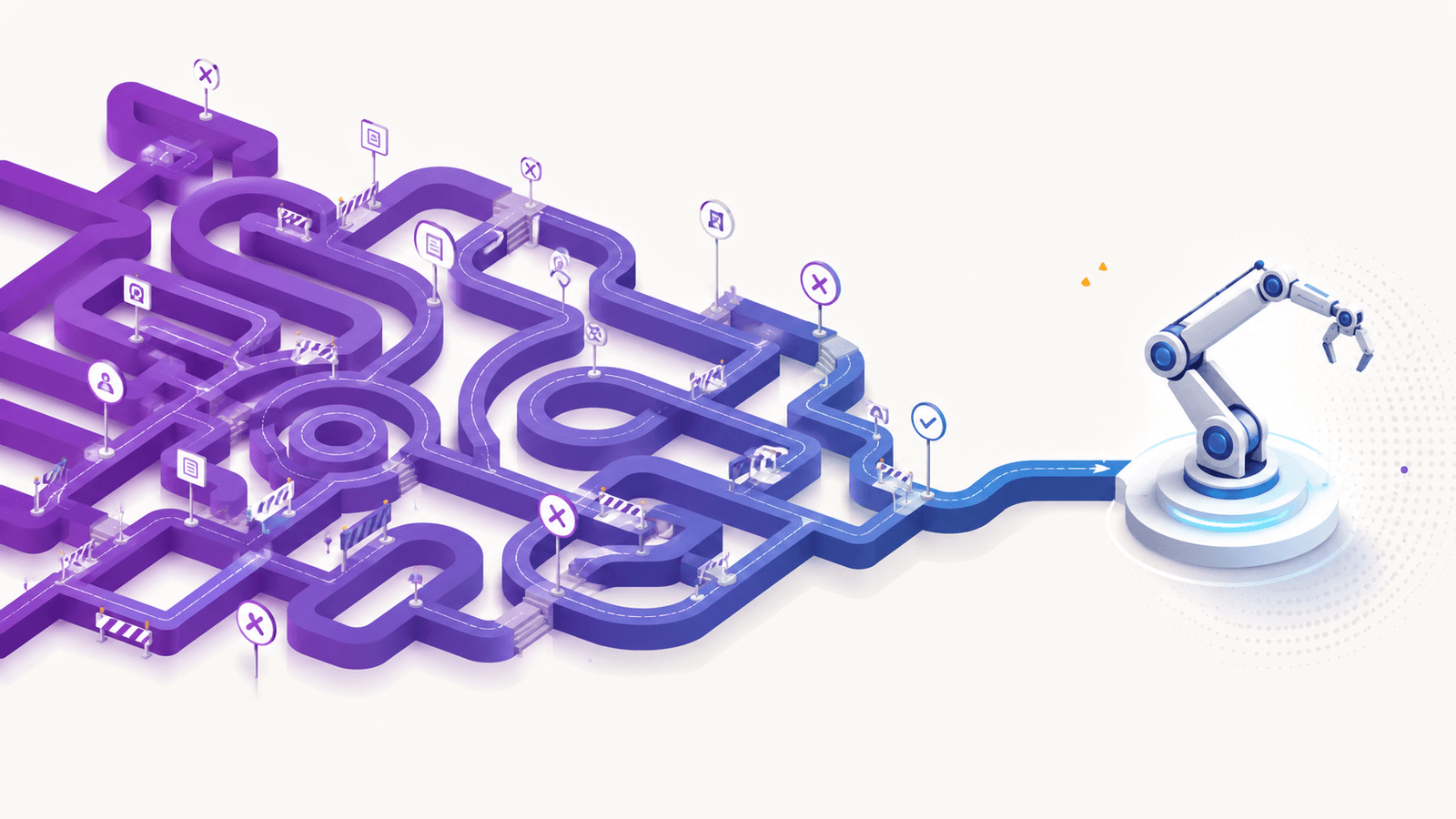
Here is the mechanism almost nobody explains before selling software. An AI tool speeds up the execution of a process. It doesn’t redesign the process. If the decision upstream depends on three sequential approvals and a meeting that only happens on Thursdays, AI keeps delivering the same decision — at the same pace — with one more licence cost. The slowness was never in the execution. It was in the decision structure. And that’s what the tool doesn’t touch.
That’s why talent, infrastructure and data are necessary conditions and, even so, insufficient. What separates the company that captures value from AI from the one that merely spends on it is the capacity to absorb new knowledge, change processes and reorganise itself to operate differently. Organisations that decide fast, in Jorge Portugal’s words, are the ones that already prepared how they decide.
For anyone running an SME, this means reversing the order. Before choosing the next tool, the useful work is to look inward: where does a decision sit waiting for approval, which process has nobody reviewed for years out of inertia, and what would AI actually accelerate — rather than simply making an existing bottleneck more expensive. Automating a badly designed process doesn’t correct it; it locks it in deeper, and now with a monthly invoice.
That diagnosis — separating what is a process problem from what is a tool problem — is the part with the most variables per case, and it’s also the one that decides whether AI investment pays for itself or turns into sunk cost. It’s rarely solved by buying software. It’s solved by someone who can read the organisation from the inside before automating it from the outside.
This content is informational. Every organisation decides differently, and it’s that difference that determines where AI adds value and where it only adds cost — a reading that deserves to be done case by case.